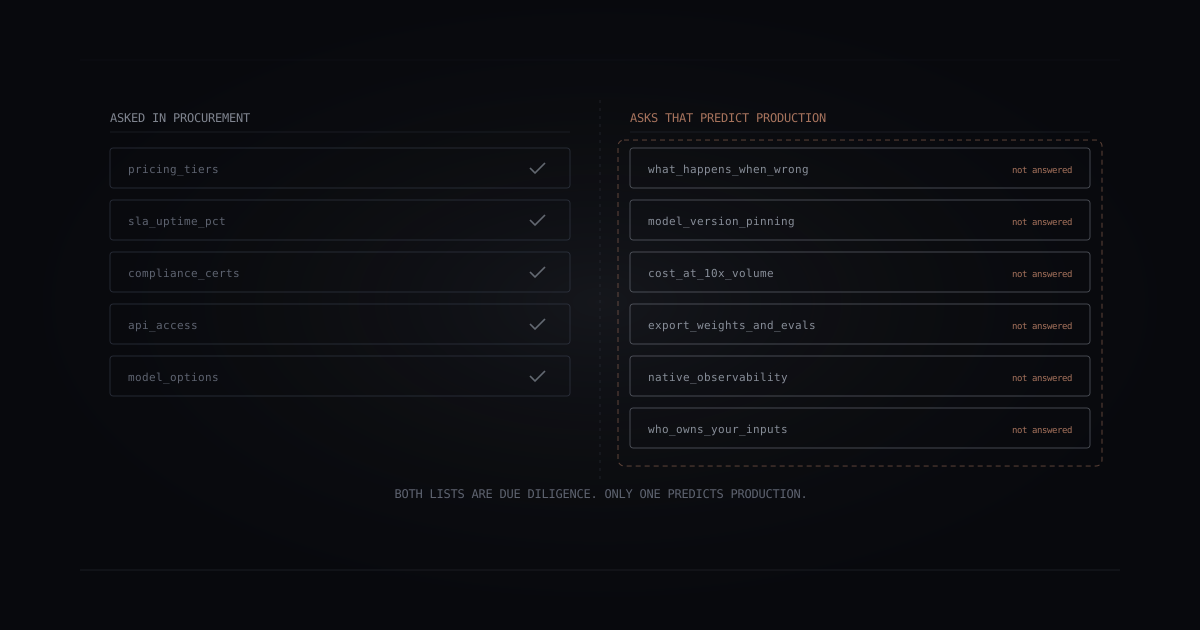
What to ask before buying an AI platform
Most AI platform evaluations focus on benchmark scores and feature checklists. The questions that predict whether a platform will work in production are different ones.
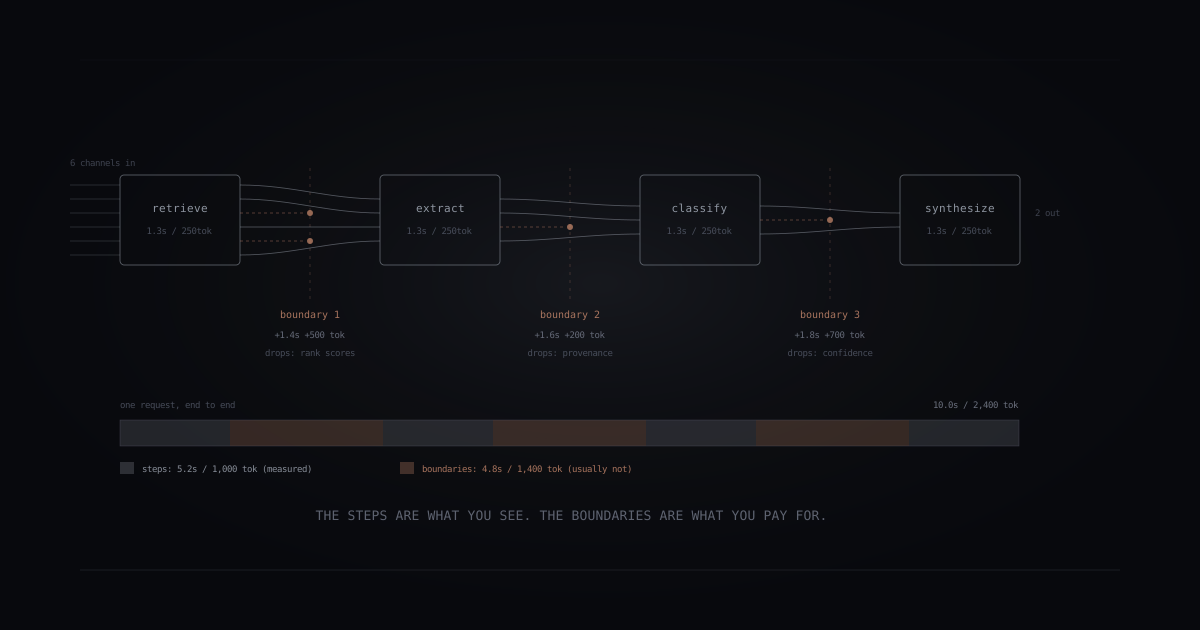
The hidden cost of context switching in AI workflows
Multi-step AI workflows lose information at every boundary. The handoff between steps is where accuracy degrades, latency compounds, and cost accumulates. Most teams do not measure it.
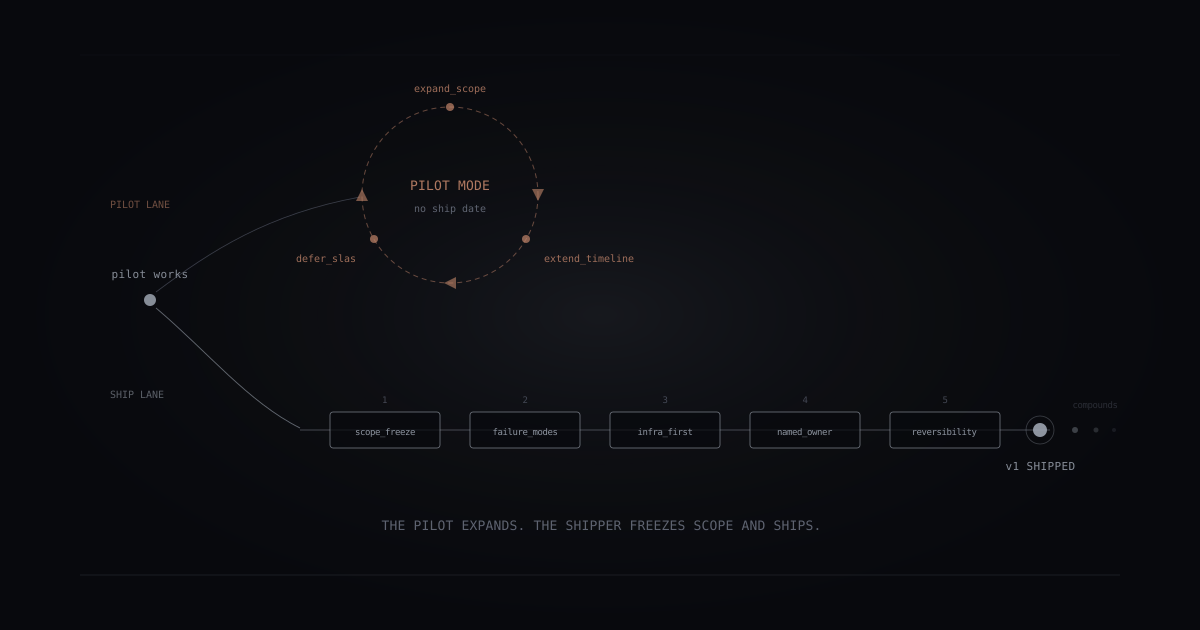
What separates AI teams that ship from teams that stay in pilot
Most AI pilots succeed. Most AI products don't. The gap isn't technical skill, it's the organizational decisions teams avoid making before the pilot ends.
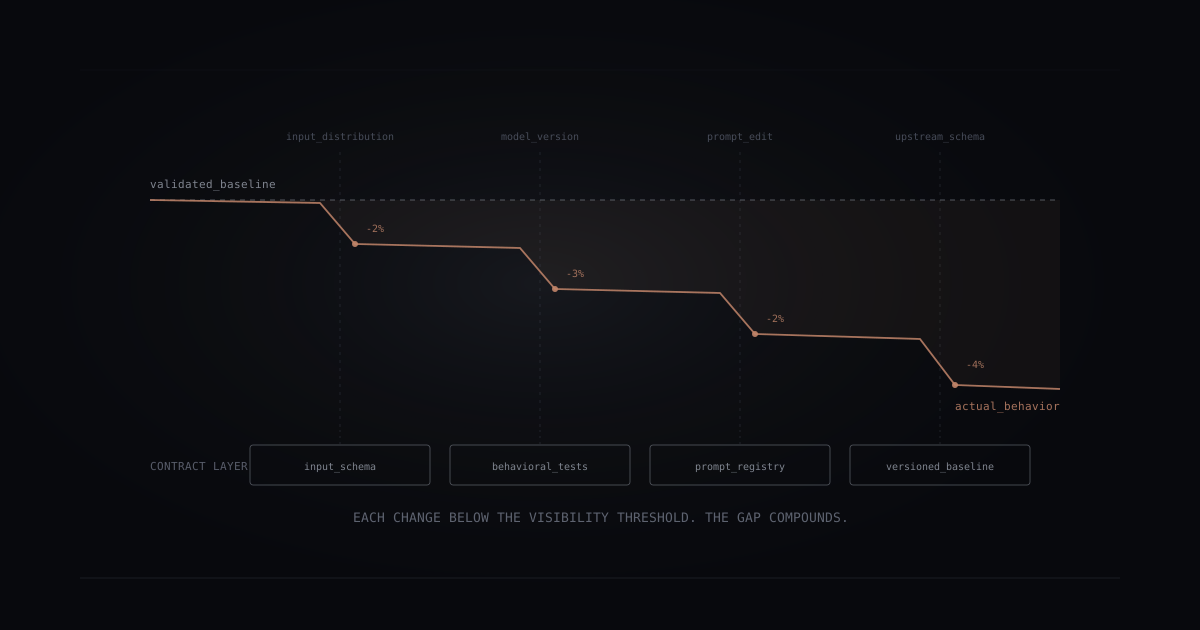
Why AI systems drift without contracts
AI systems rarely fail loudly. They drift because the assumptions behind inputs, outputs, and behavior are never made explicit enough to enforce.
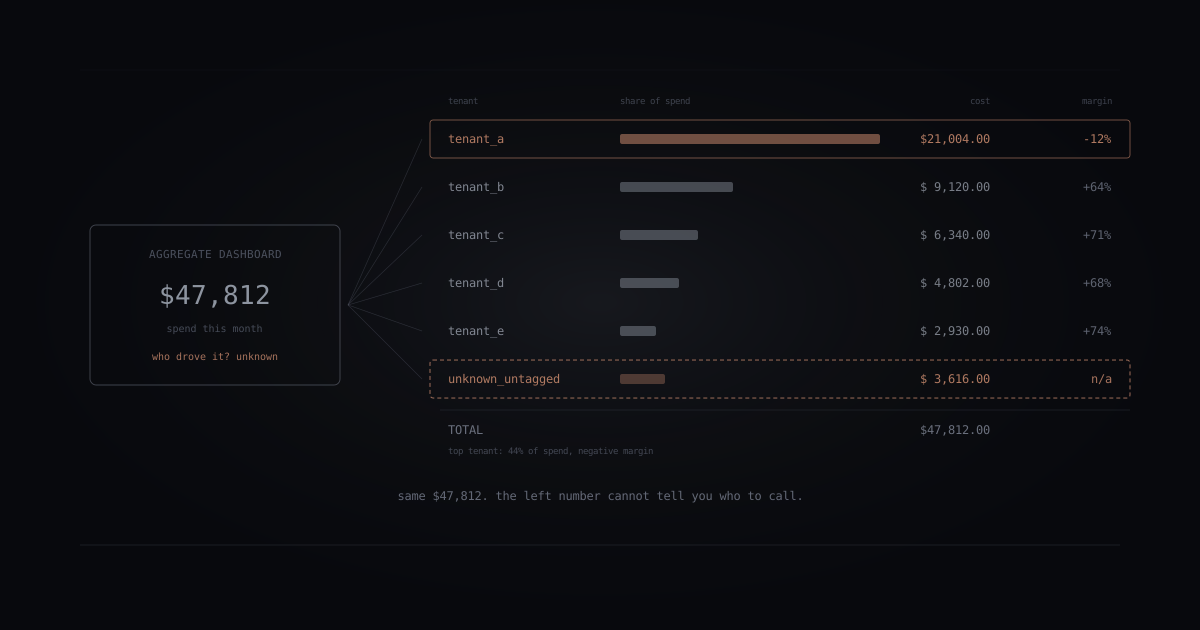
Per-tenant AI cost attribution: why aggregate dashboards are not enough
Aggregate AI spend hides who is driving cost. Per-tenant attribution shows who to charge, who is profitable, and where margins leak.
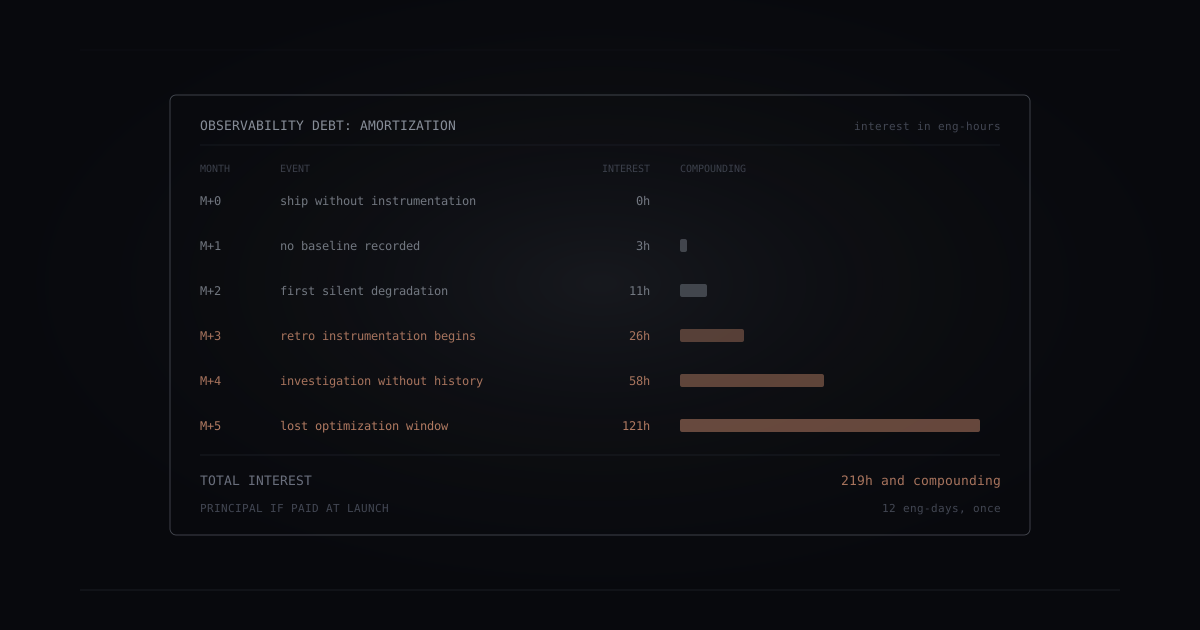
The observability debt in AI systems
AI observability debt compounds faster than technical debt. Failures are probabilistic and latent, and retrofitting costs more than building it early.
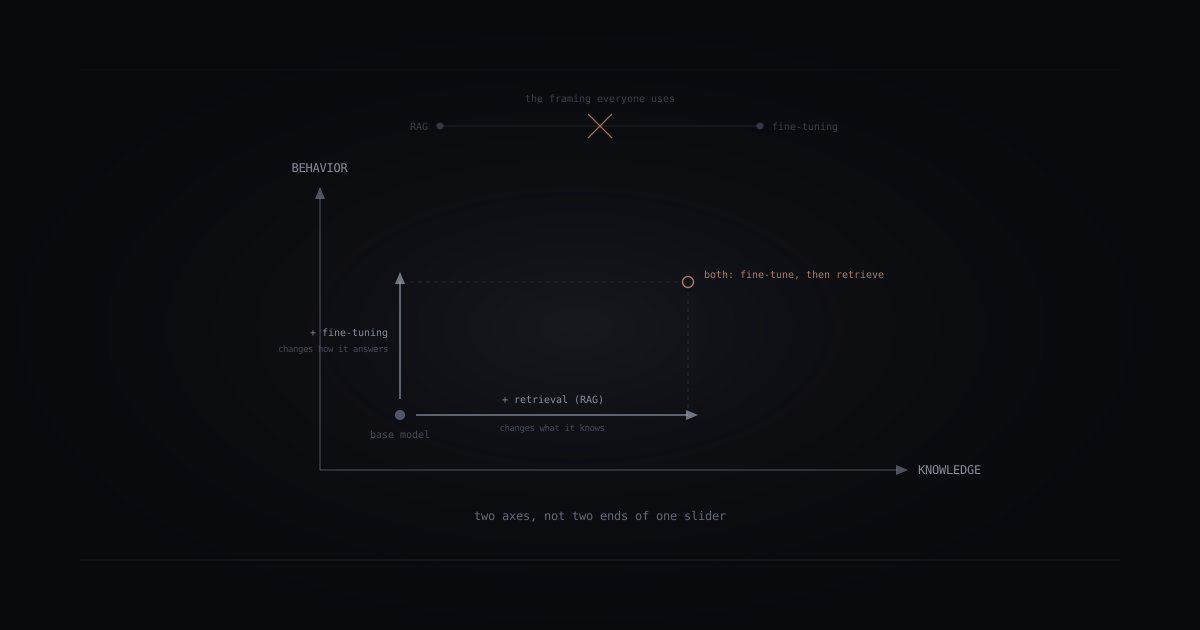
RAG vs fine-tuning: why the comparison mostly doesn't make sense
RAG and fine-tuning solve different problems: knowledge boundaries versus behavior. Treating them as interchangeable wastes months of engineering.
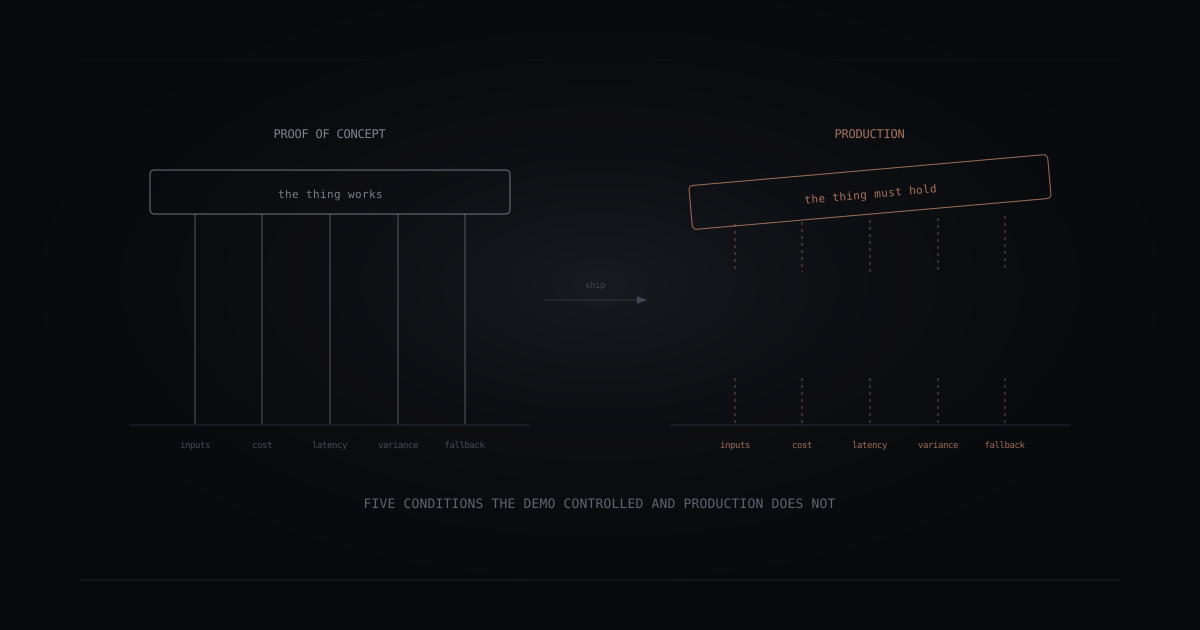
Why your AI proof of concept works but your product doesn't
AI proofs of concept work under curated conditions: controlled inputs, invisible costs, no latency limits. Production removes every one of them.
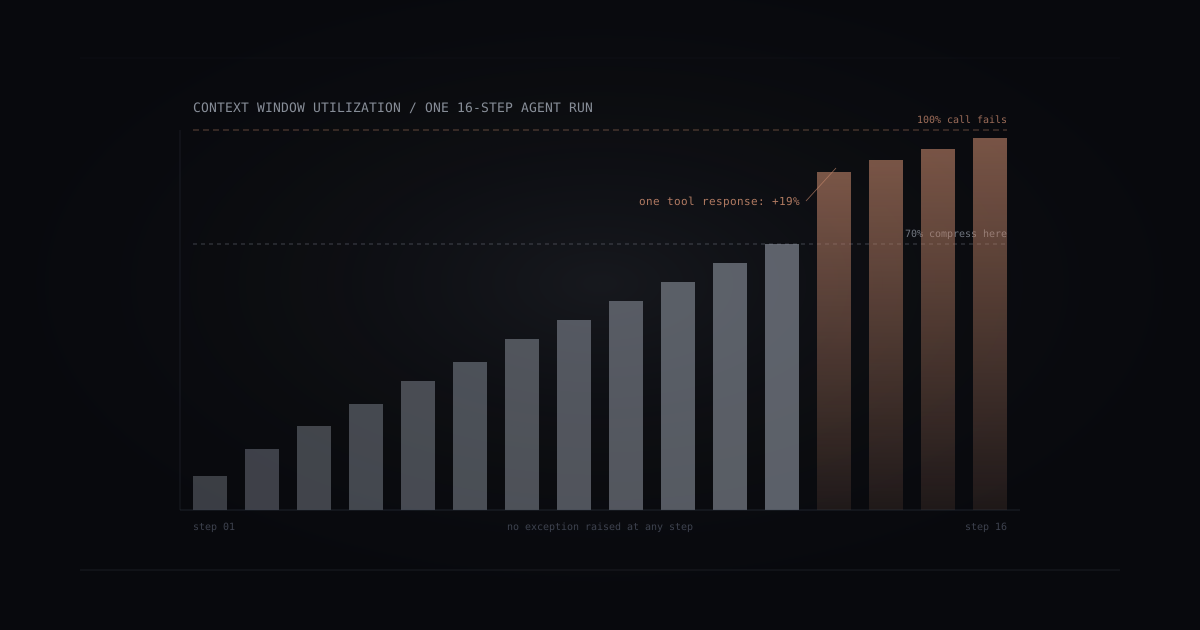
The token budget problem: why your production agents run out of room
Context windows are finite. Production workloads are not. Here is what actually breaks when an agent exhausts its budget, and three patterns that prevent it.
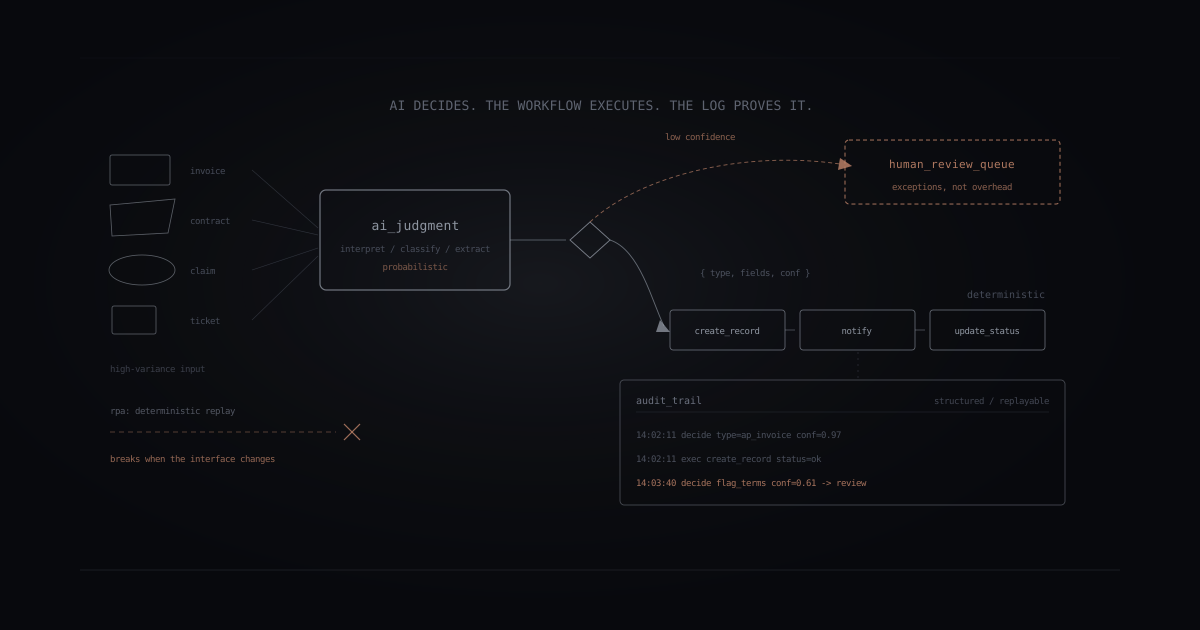
AI workflow automation vs RPA: what actually changes
RPA replays clicks; AI automation makes judgment calls. The hybrid pattern that actually ships pairs AI decisions with structured, auditable execution.
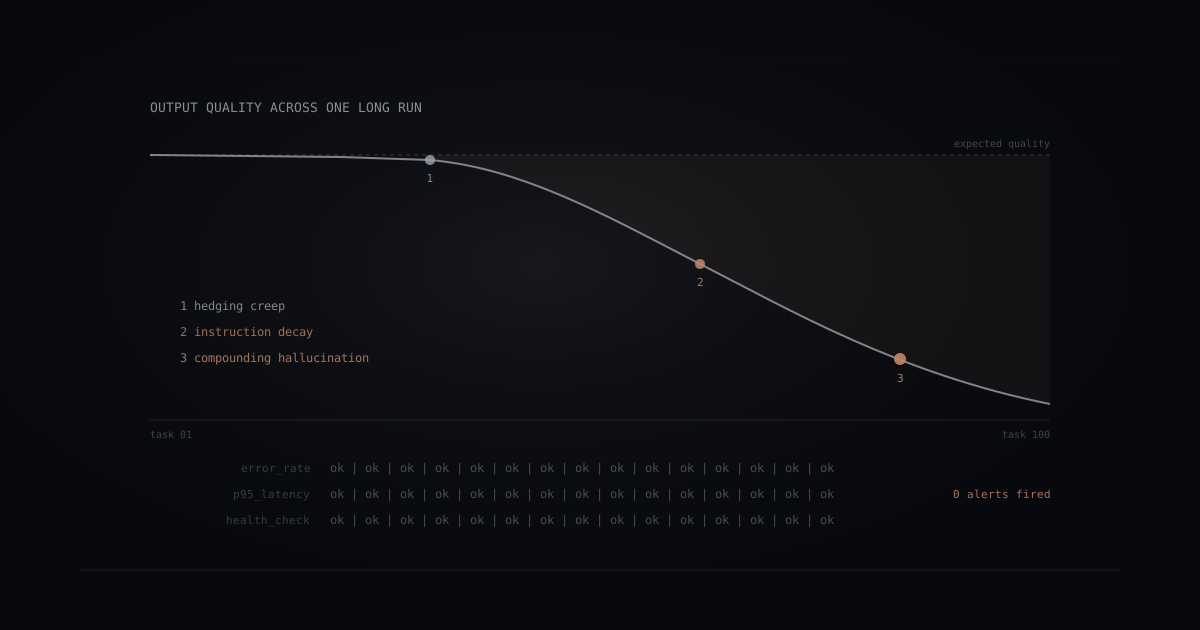
Why long-running AI agents fail silently
Long-running AI agents degrade silently: no errors, only drifting outputs. Here is how context pressure builds and how to catch it early.
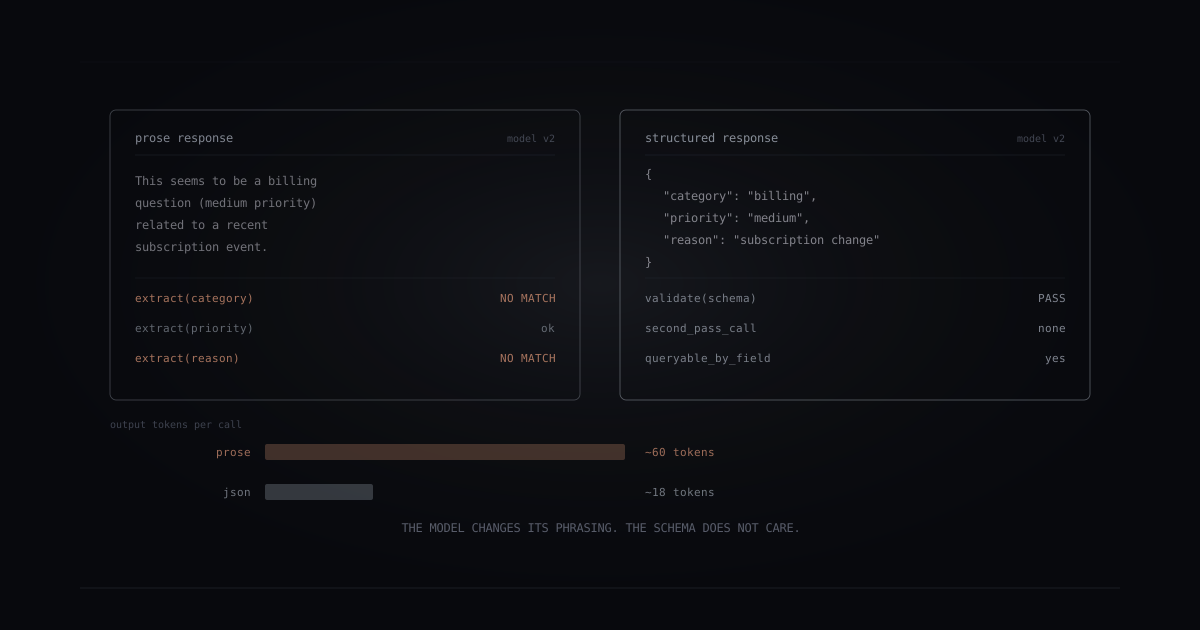
The case for structured outputs in production AI
Most production AI systems parse prose from LLMs instead of requesting structured JSON, and the cost and reliability gap this creates is larger than expected.
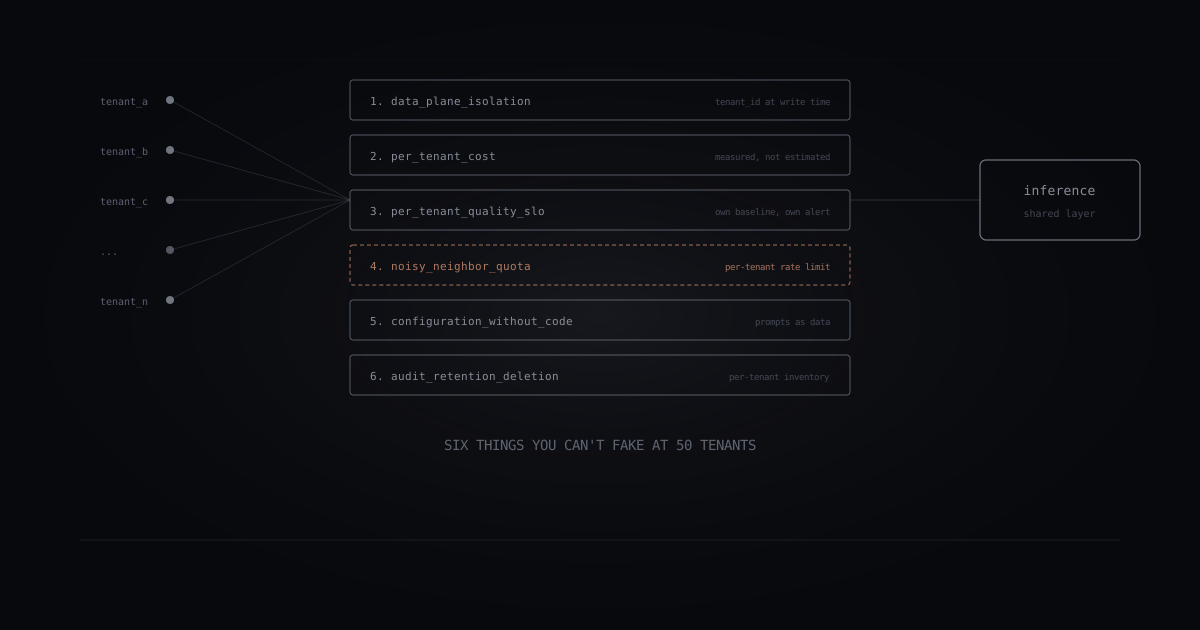
Multi-tenant AI: what you can't fake when you have 50 customers
Single-tenant AI hides bad architecture. Multi-tenant AI exposes it. Six things that compound across a tenant set and cannot be deferred.
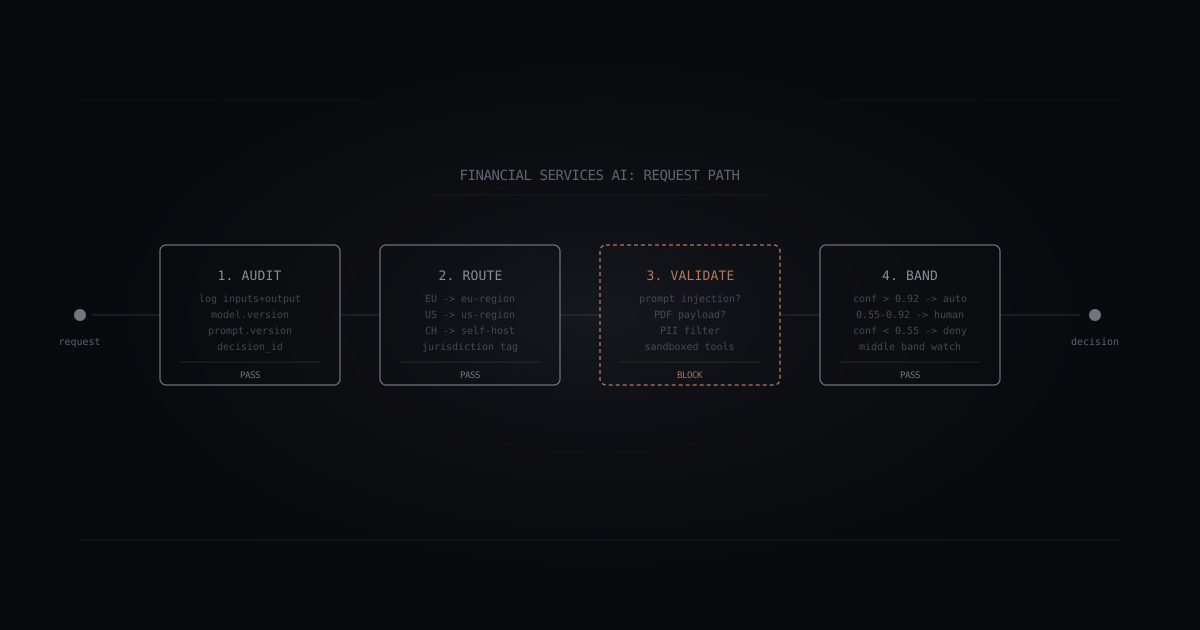
Financial services AI: four constraints that reshape the architecture
Generic AI patterns break in financial services. Four constraints (audit, residency, adversarial input, risk asymmetry) reshape architecture from day one.
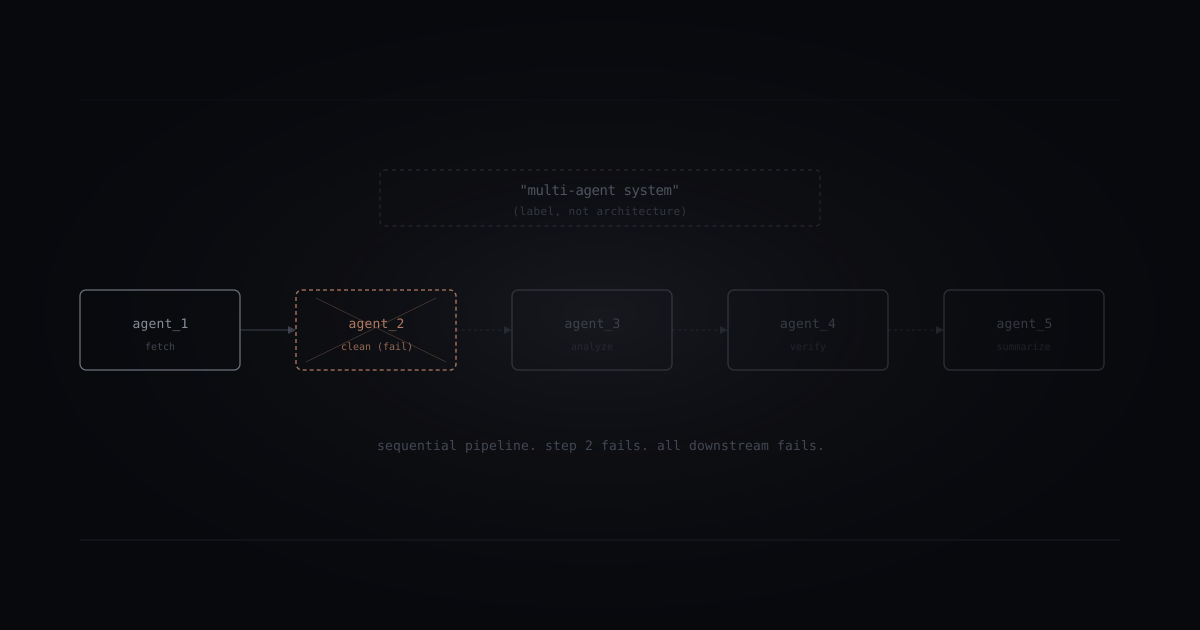
Most multi-agent systems are sequential pipelines wearing a costume
Most 'multi-agent' systems are sequential pipelines with role-play prompts. Three diagnostic questions to tell the difference.
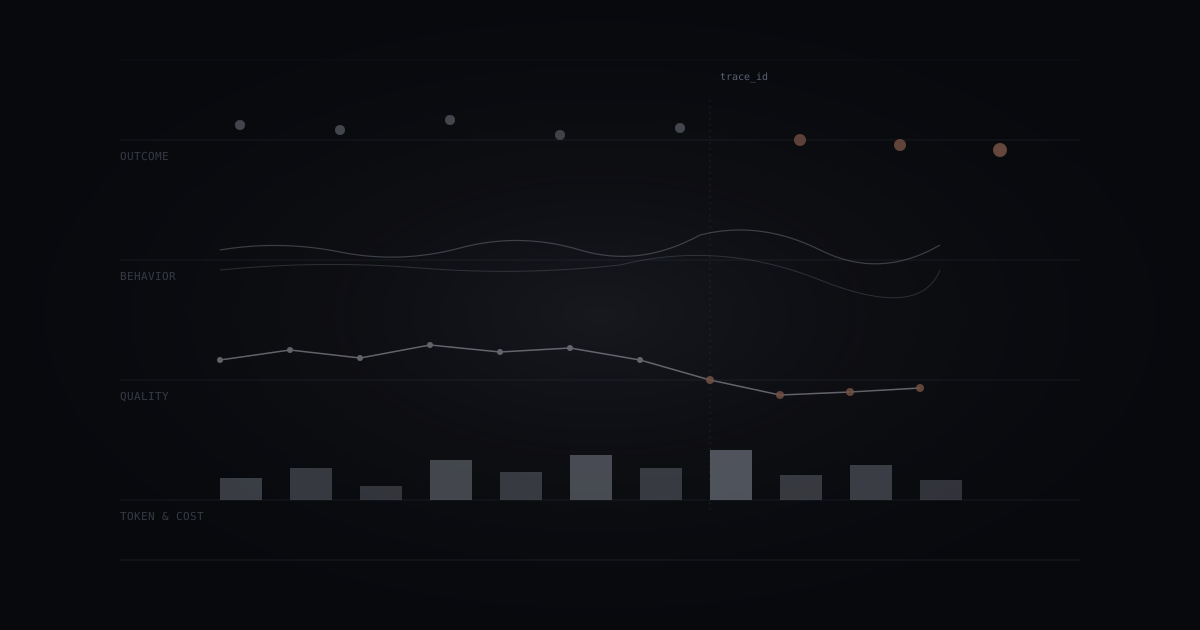
What to instrument when your AI degrades in production
Most AI systems fail silently. Latency dashboards say 200 OK while quality drifts. Here is the four-layer telemetry stack that catches it.

Beyond Demos: Building AI Systems That Actually Work
Most AI projects fail in production. Here's why the gap between demo and deployment is where real engineering begins, and what production AI actually requires.
The AI Observability Gap: What You Can't See Is Costing You
An AI customer service system hallucinated for two weeks unnoticed. Track cost, quality, performance, and decisions, the four dimensions most teams miss.