Blog
Zylver Engineering Blog
Notes on agent architectures, production ML, cost observability, and the patterns that ended up in our product suite.
How to make the business case for AI investment
Most AI investment proposals fail not because the technology does not work, but because the proposal is framed around capability rather than outcome. Here is how to build a case that finance and leadership will approve.
The AI vendor landscape is consolidating: what it means for buyers
The number of credible AI infrastructure vendors is shrinking. For enterprise buyers, that changes the procurement calculus in ways that are not yet reflected in most vendor evaluation frameworks.
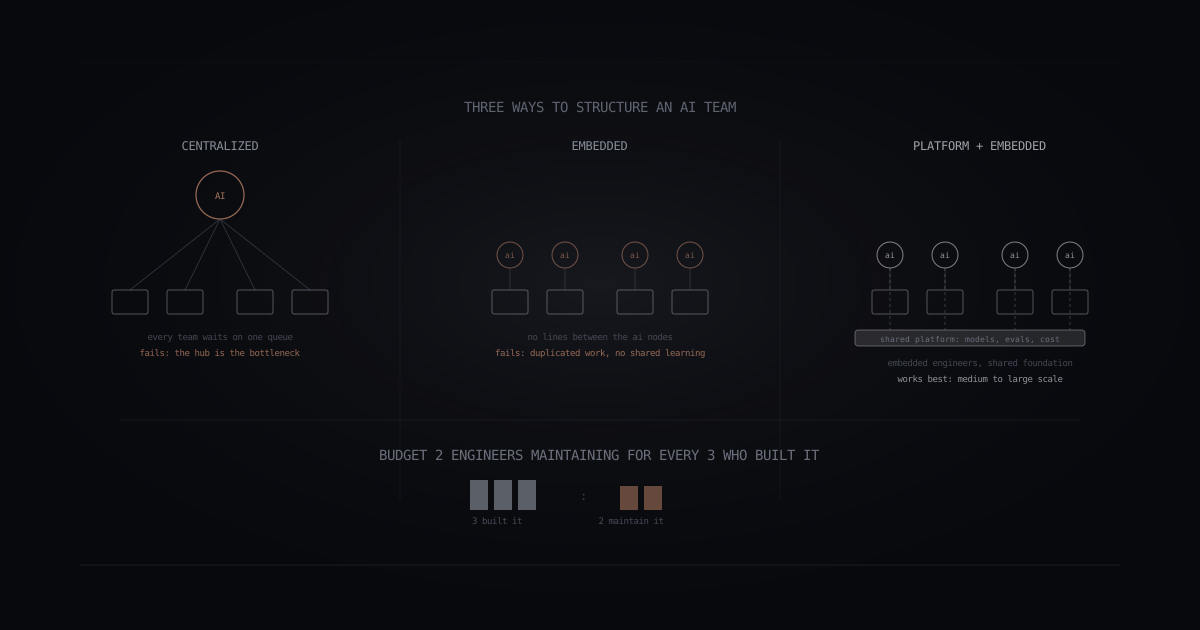
How to structure an AI team
There is no single correct structure for an AI team. There are structures that work for specific organizational contexts and ones that create predictable failure modes. Here is how to tell the difference.
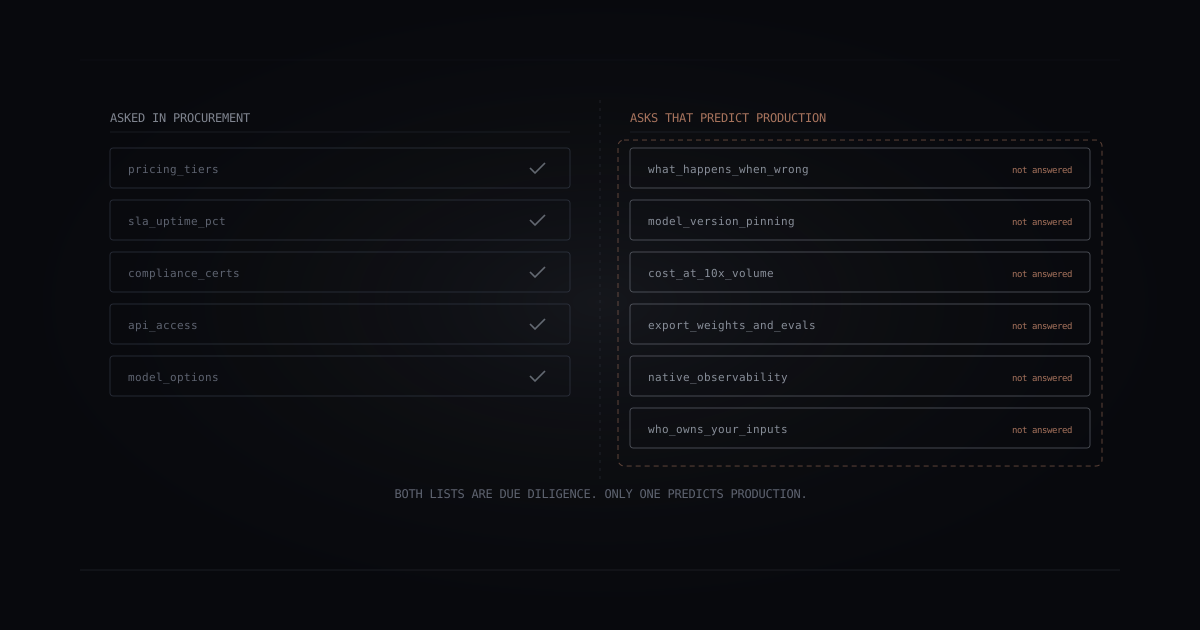
What to ask before buying an AI platform
Most AI platform evaluations focus on benchmark scores and feature checklists. The questions that predict whether a platform will work in production are different ones.
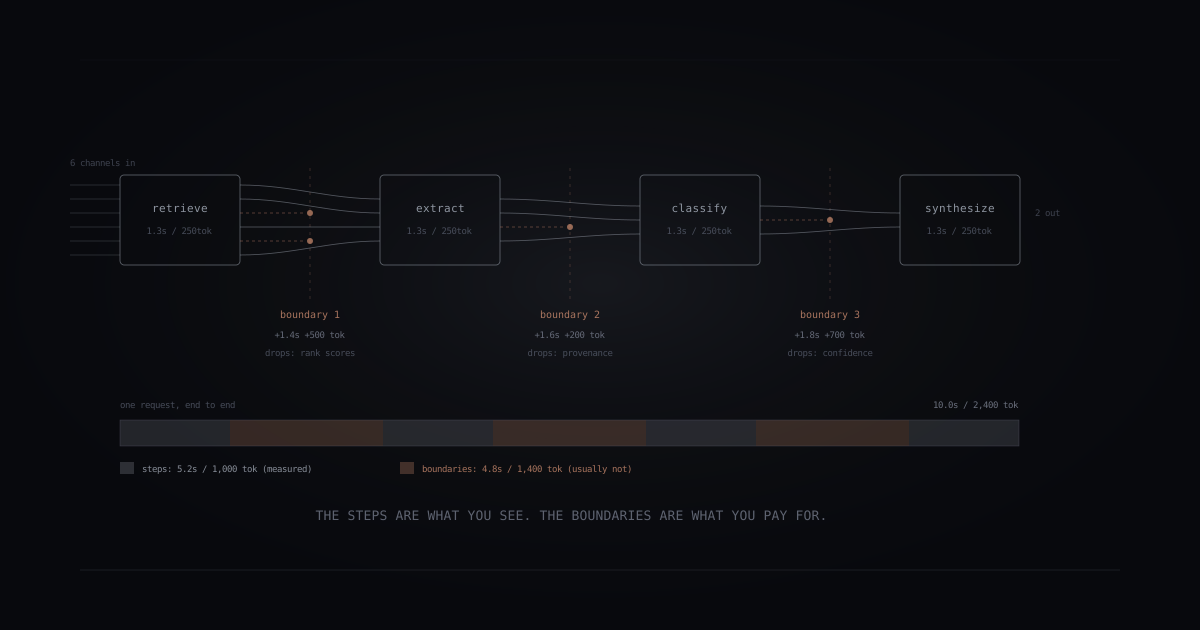
The hidden cost of context switching in AI workflows
Multi-step AI workflows lose information at every boundary. The handoff between steps is where accuracy degrades, latency compounds, and cost accumulates. Most teams do not measure it.
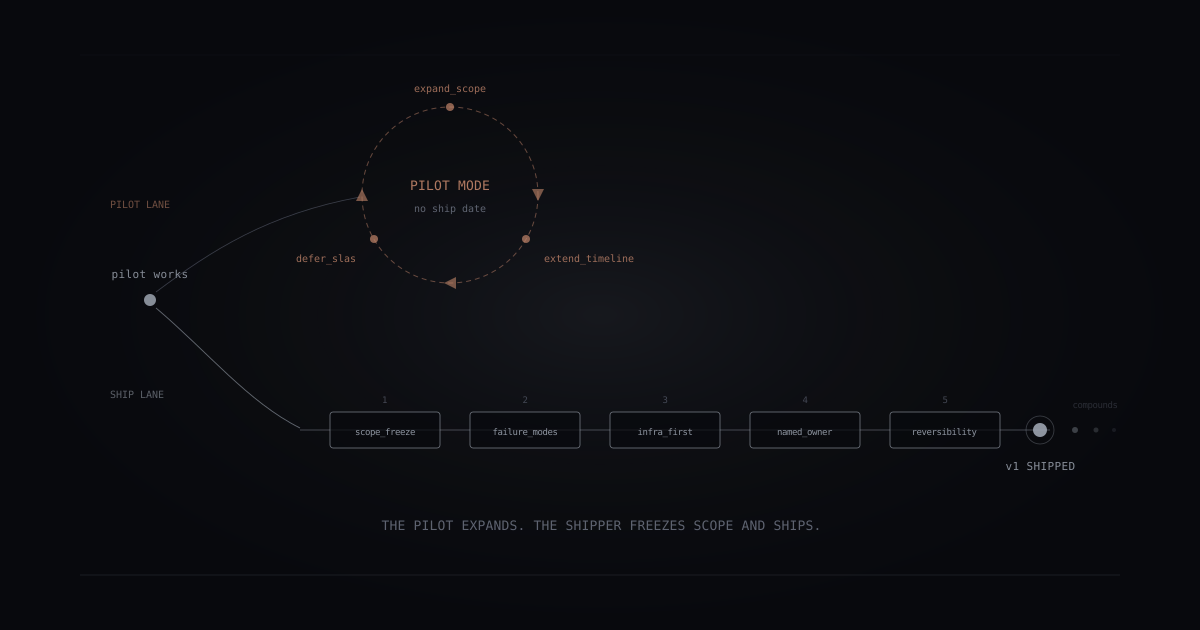
What separates AI teams that ship from teams that stay in pilot
Most AI pilots succeed. Most AI products don't. The gap isn't technical skill, it's the organizational decisions teams avoid making before the pilot ends.
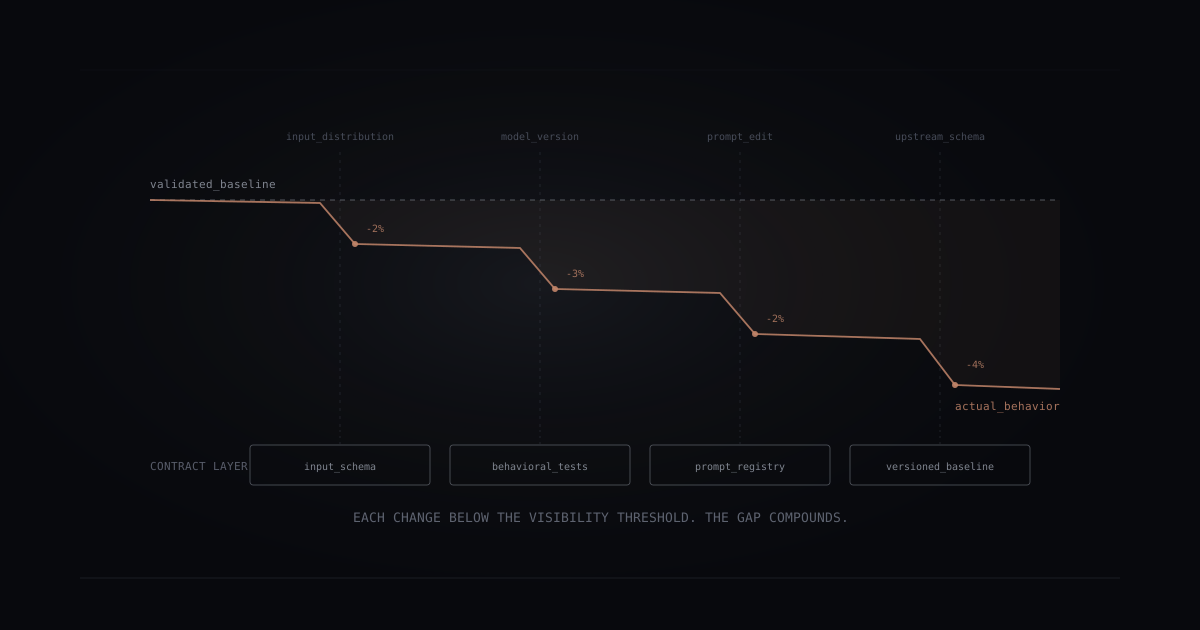
Why AI systems drift without contracts
AI systems rarely fail loudly. They drift because the assumptions behind inputs, outputs, and behavior are never made explicit enough to enforce.
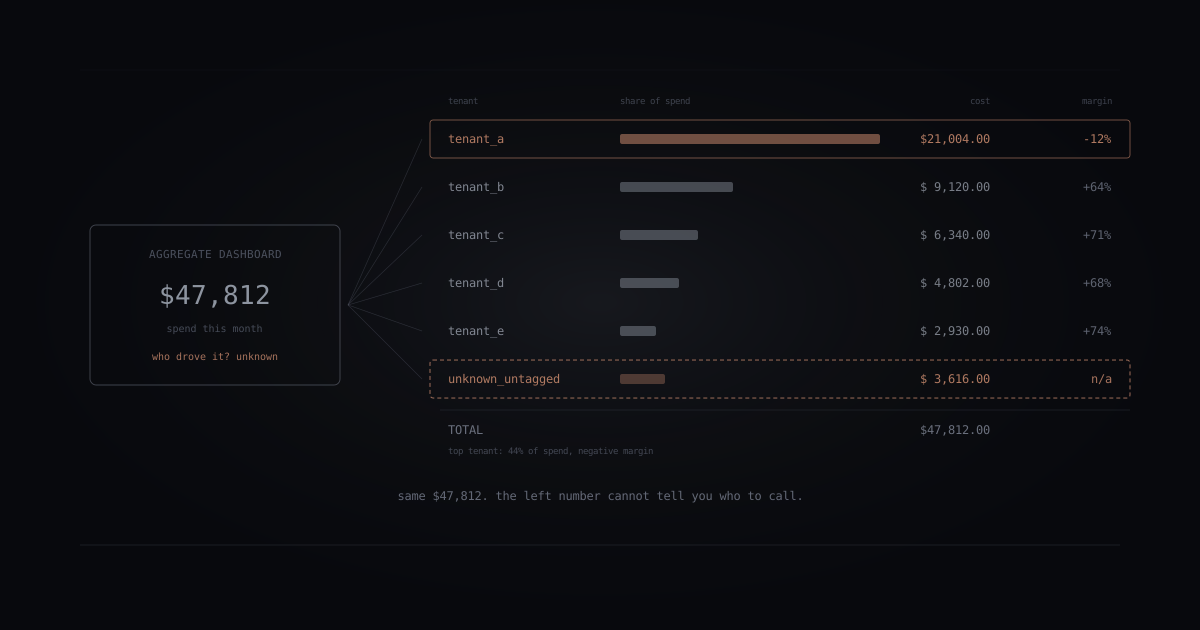
Per-tenant AI cost attribution: why aggregate dashboards are not enough
Aggregate AI spend hides who is driving cost. Per-tenant attribution shows who to charge, who is profitable, and where margins leak.
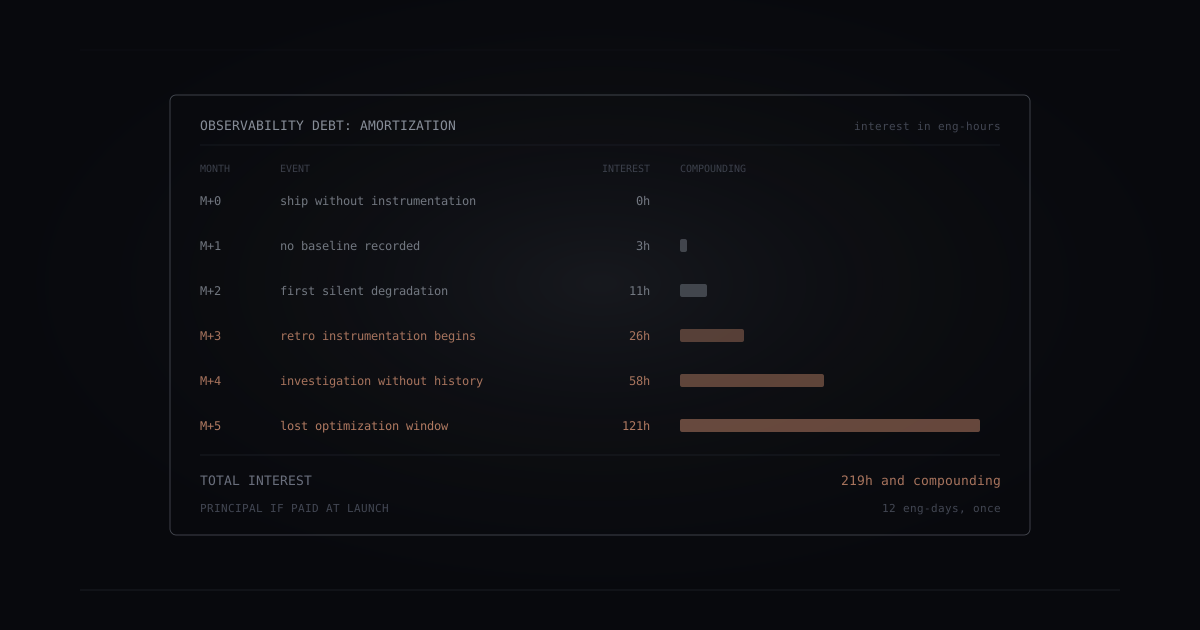
The observability debt in AI systems
AI observability debt compounds faster than technical debt. Failures are probabilistic and latent, and retrofitting costs more than building it early.
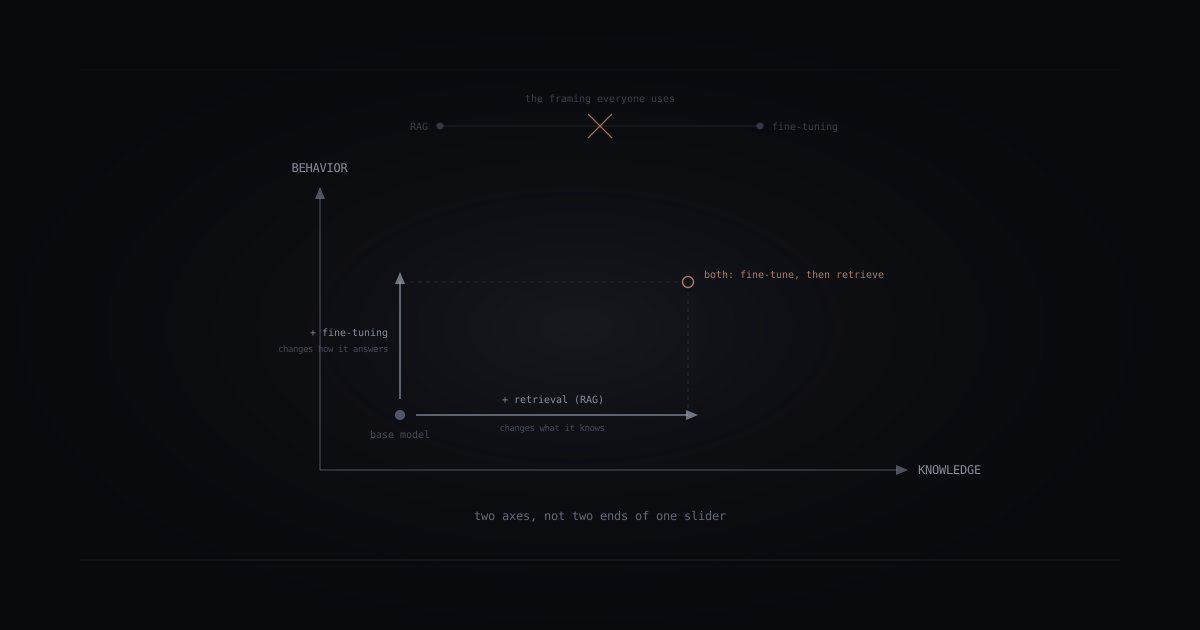
RAG vs fine-tuning: why the comparison mostly doesn't make sense
RAG and fine-tuning solve different problems: knowledge boundaries versus behavior. Treating them as interchangeable wastes months of engineering.
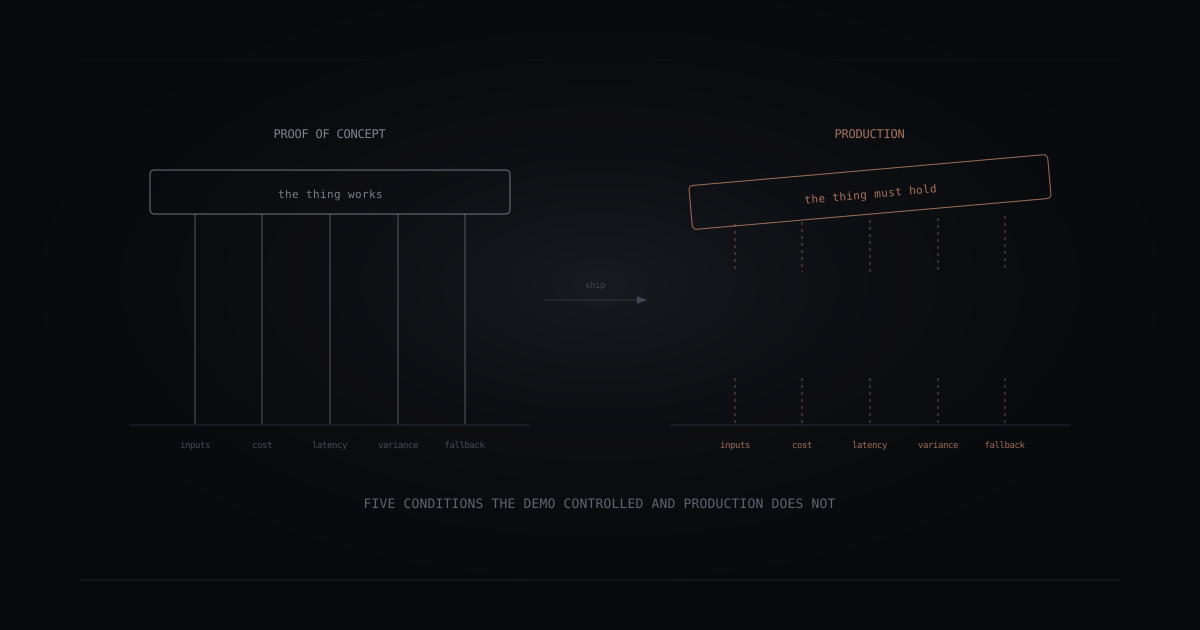
Why your AI proof of concept works but your product doesn't
AI proofs of concept work under curated conditions: controlled inputs, invisible costs, no latency limits. Production removes every one of them.
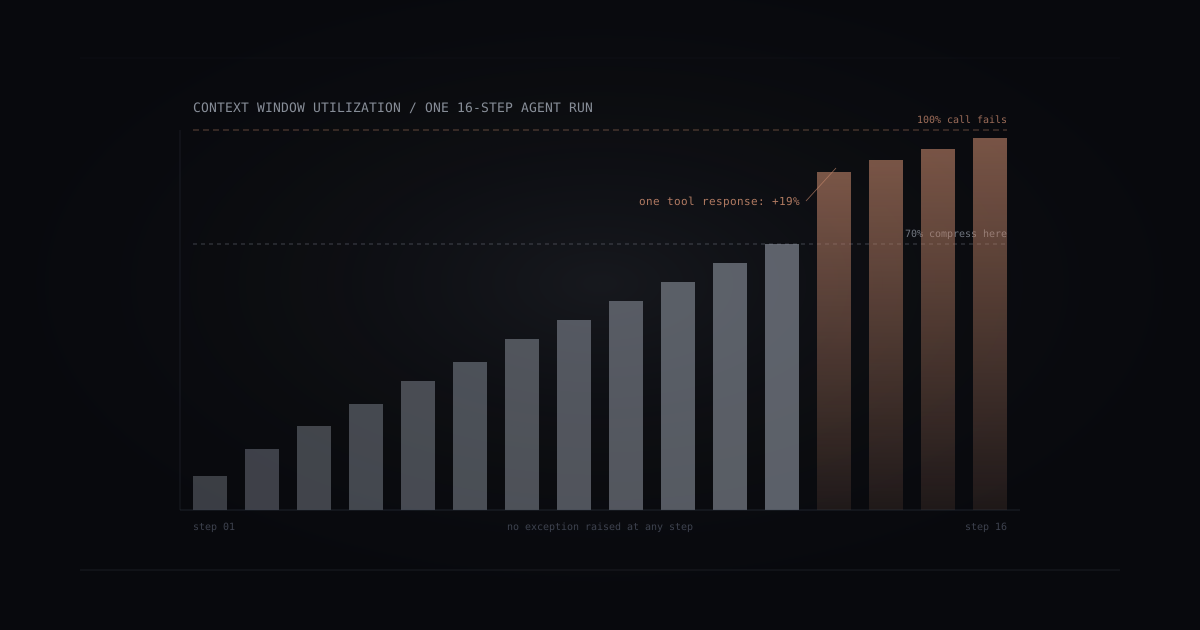
The token budget problem: why your production agents run out of room
Context windows are finite. Production workloads are not. Here is what actually breaks when an agent exhausts its budget, and three patterns that prevent it.
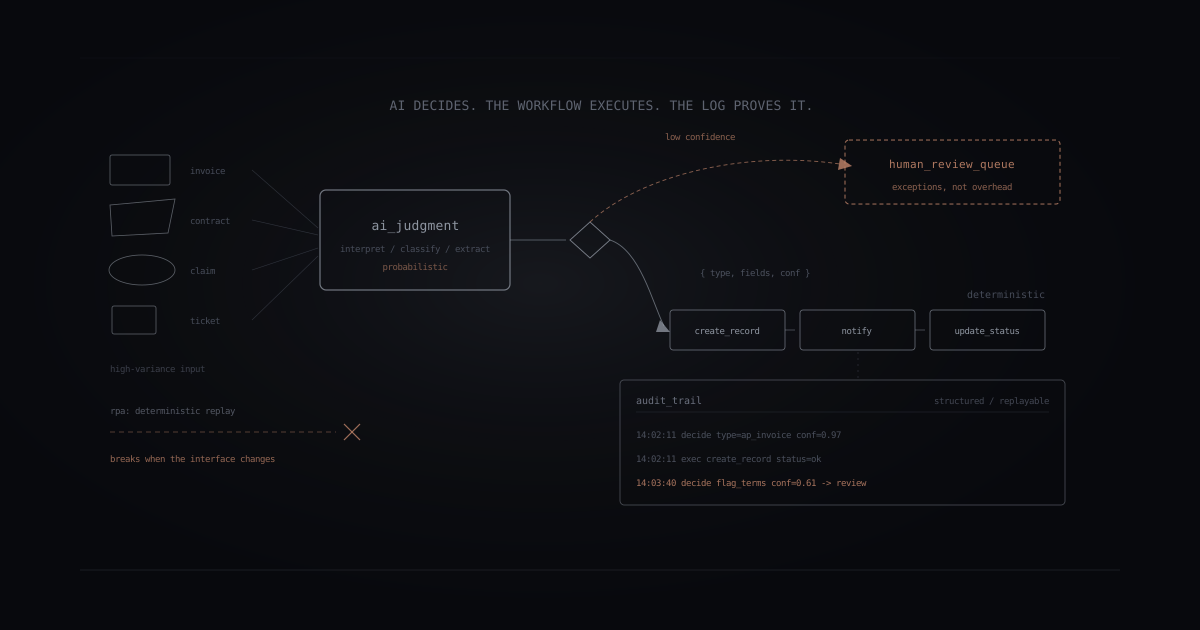
AI workflow automation vs RPA: what actually changes
RPA replays clicks; AI automation makes judgment calls. The hybrid pattern that actually ships pairs AI decisions with structured, auditable execution.
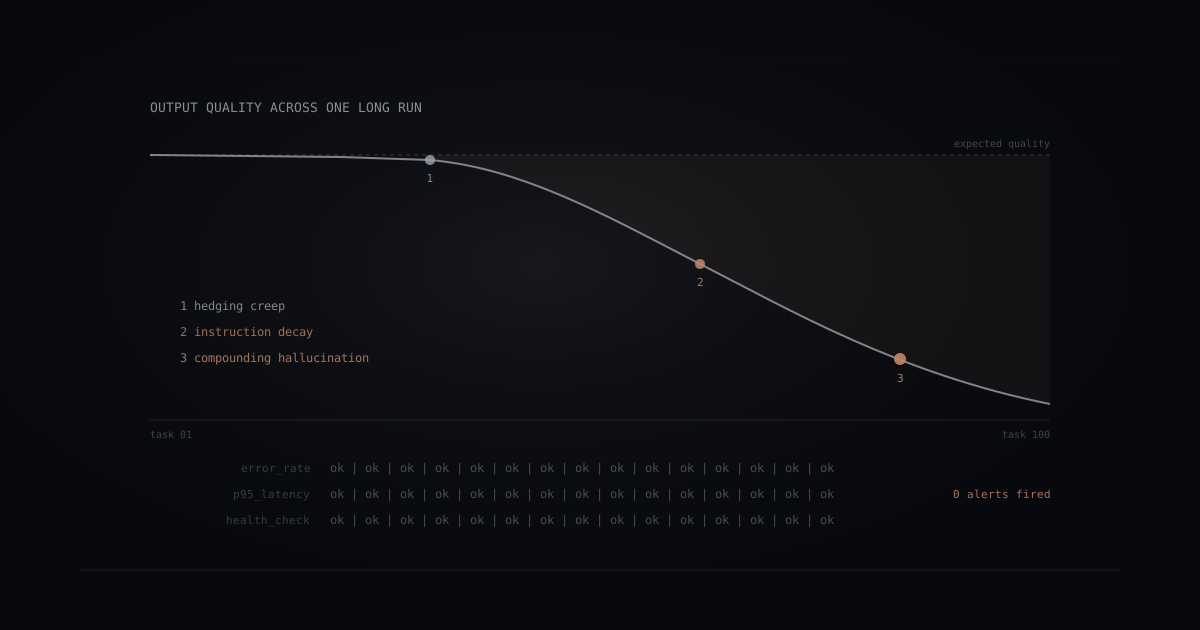
Why long-running AI agents fail silently
Long-running AI agents degrade silently: no errors, only drifting outputs. Here is how context pressure builds and how to catch it early.
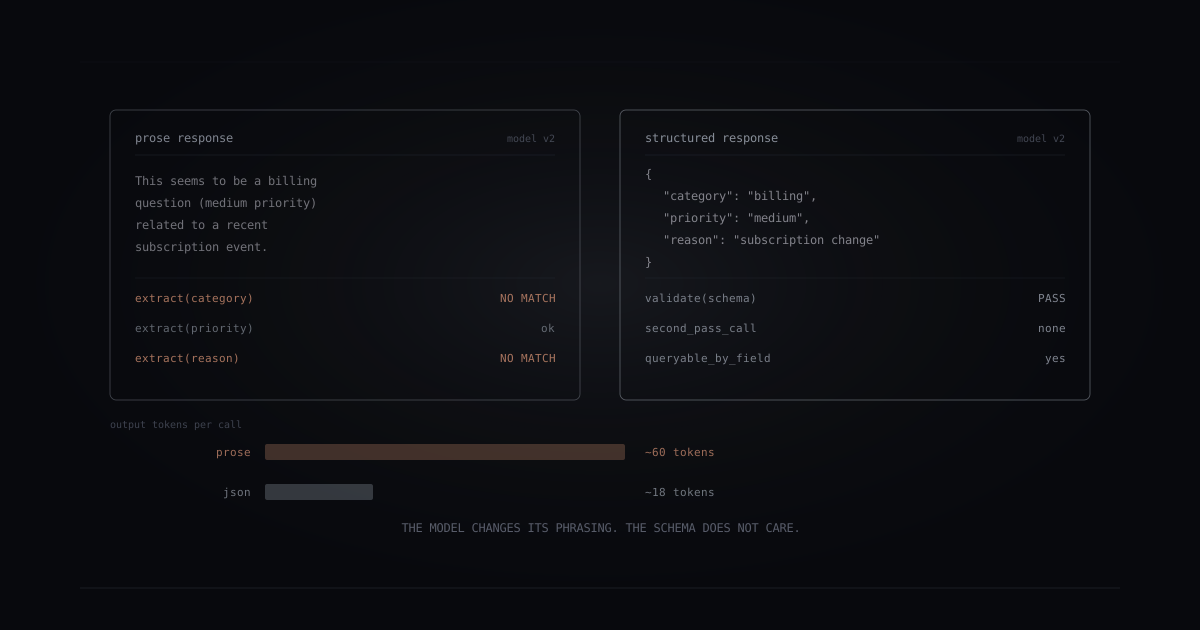
The case for structured outputs in production AI
Most production AI systems parse prose from LLMs instead of requesting structured JSON, and the cost and reliability gap this creates is larger than expected.
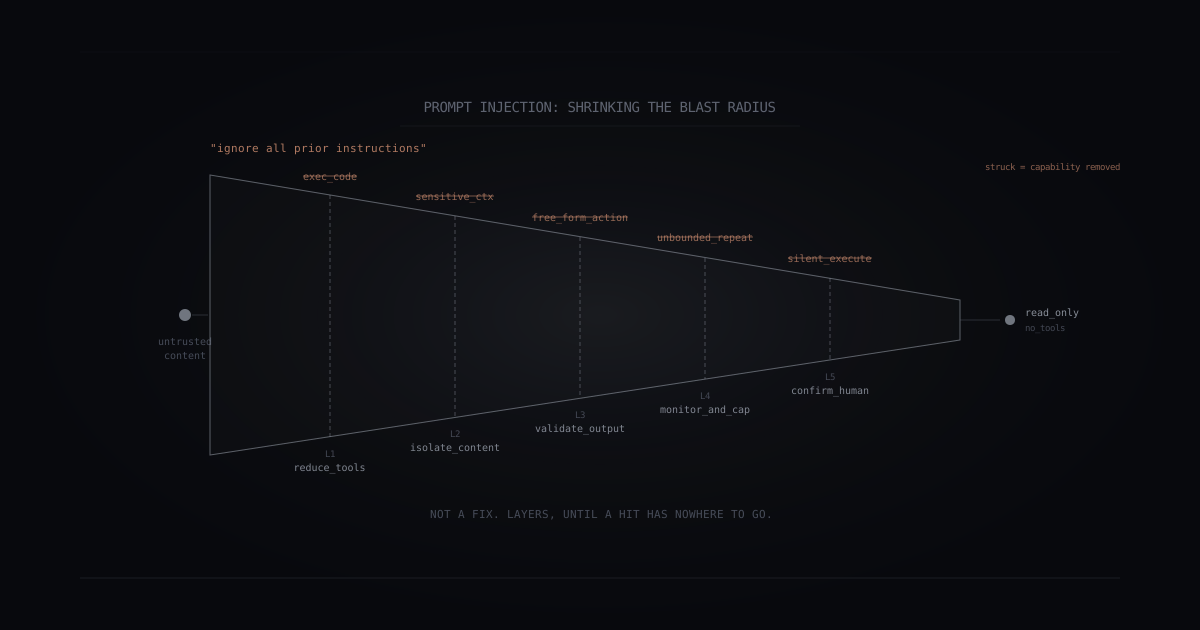
How to defend AI systems against prompt injection
Prompt injection is not a bug you patch once. It is a threat model you design against. Here is what actually reduces risk in production systems.
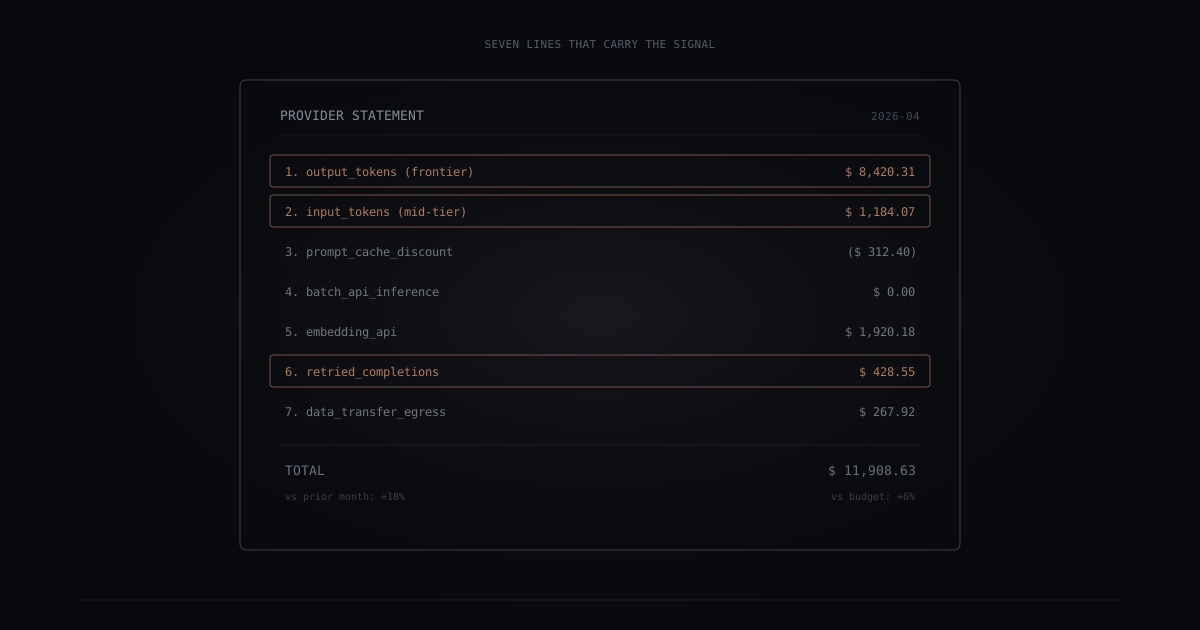
Reading an LLM bill: line items that actually matter
Most LLM bills get scanned for total cost. Seven line items carry the real signal. A 5-minute monthly review that turns the bill into a diagnostic.
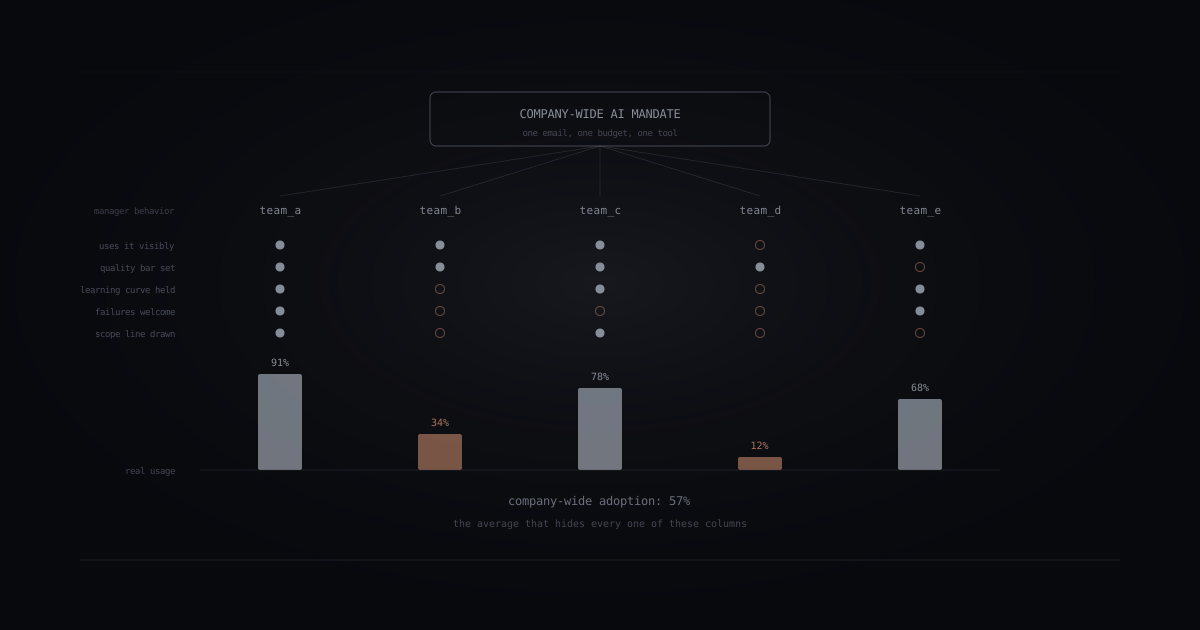
The manager's role in AI adoption
Company-wide AI mandates fail or succeed team by team. The deciding factor is usually the manager, not the tool. Here is what that role actually requires.
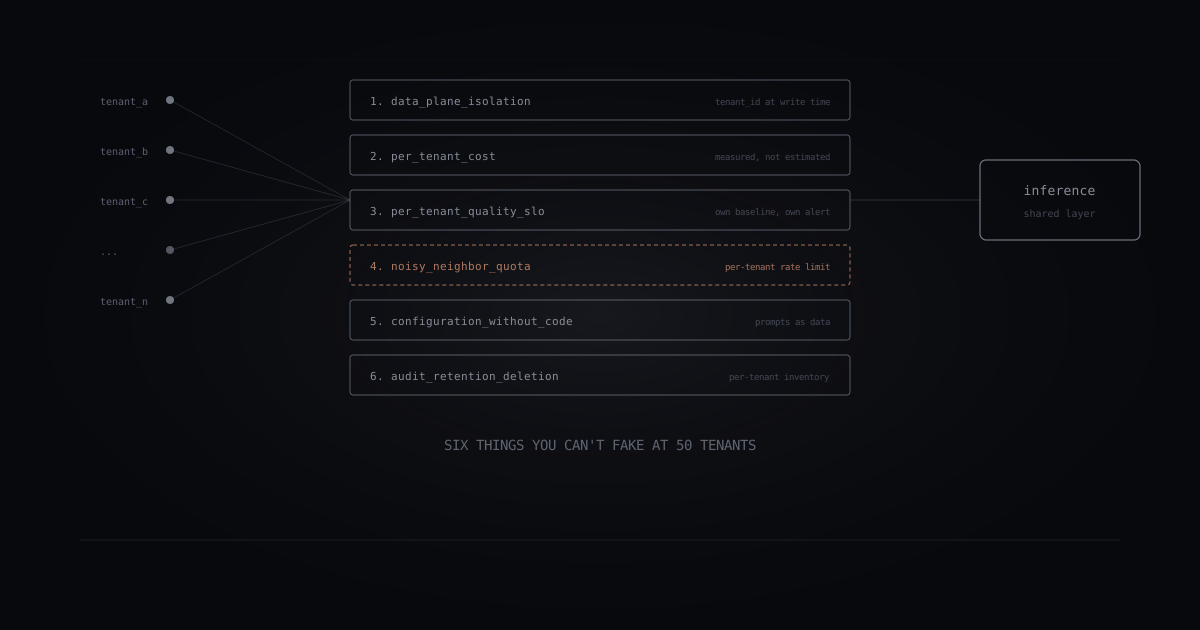
Multi-tenant AI: what you can't fake when you have 50 customers
Single-tenant AI hides bad architecture. Multi-tenant AI exposes it. Six things that compound across a tenant set and cannot be deferred.
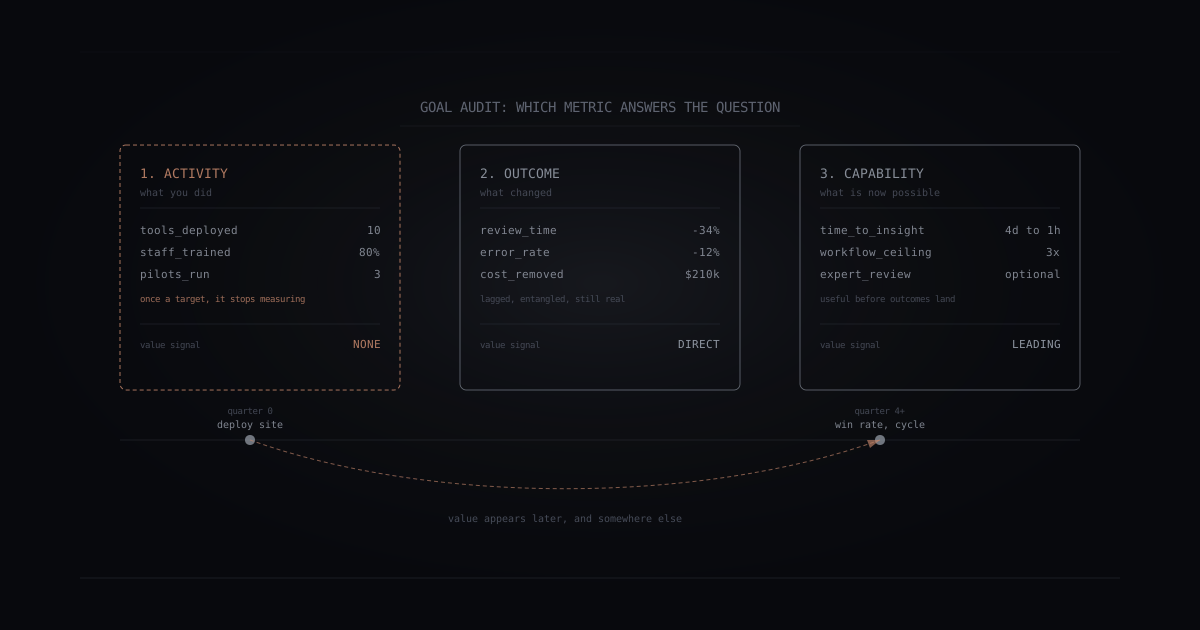
How to set AI goals that actually measure progress
Most AI goals are too vague to measure or too narrow to matter. Here are the three metric types that separate progress from busywork.
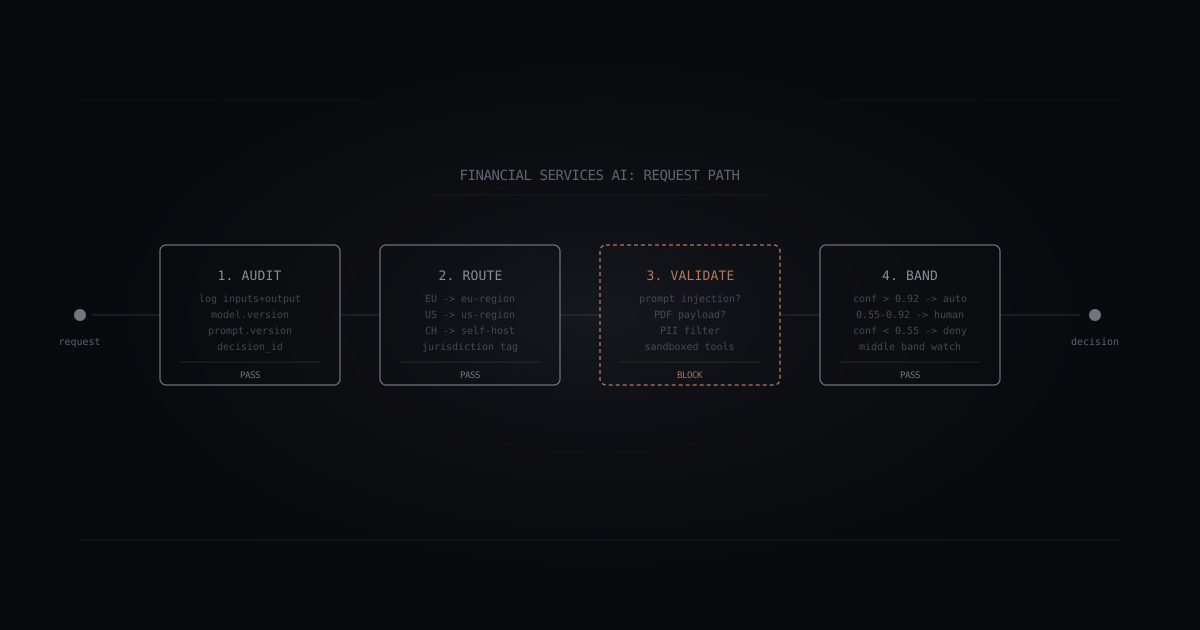
Financial services AI: four constraints that reshape the architecture
Generic AI patterns break in financial services. Four constraints (audit, residency, adversarial input, risk asymmetry) reshape architecture from day one.
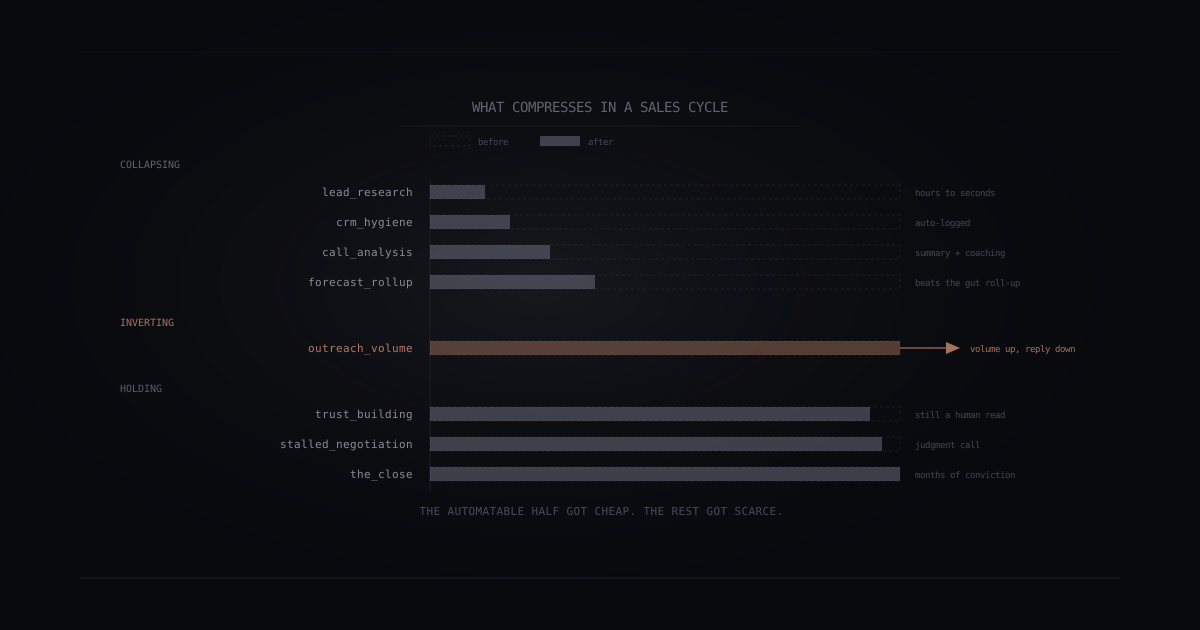
How AI is changing the sales function
AI is reshaping sales in ways that are more nuanced than the pitch decks suggest. Some tasks are genuinely going away. Others are becoming more important.
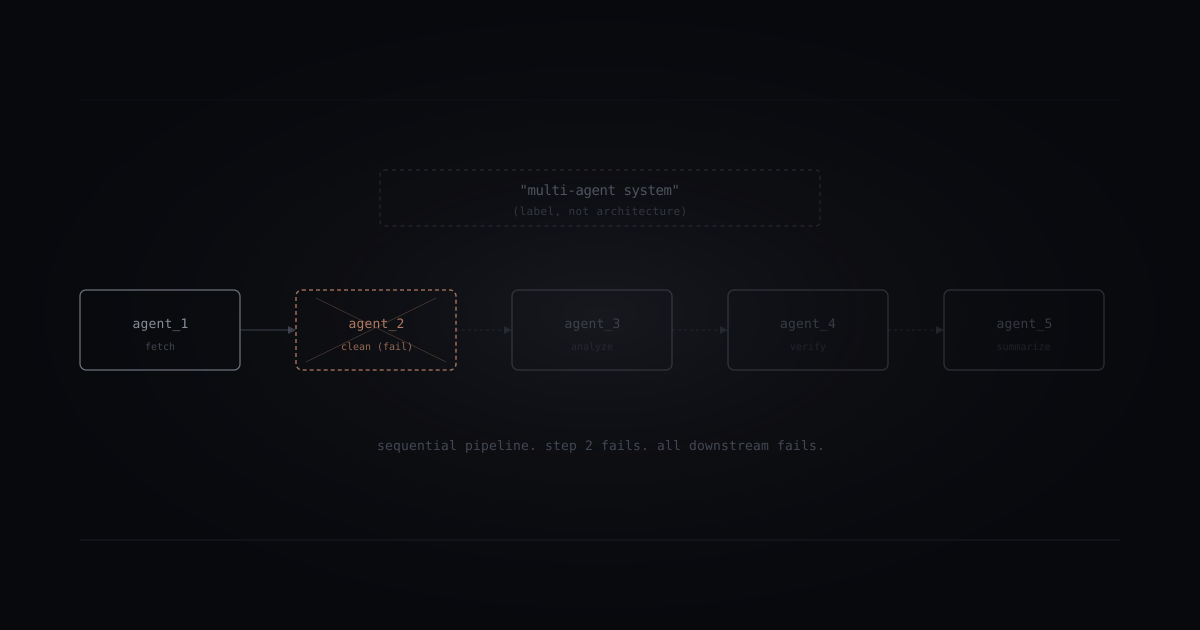
Most multi-agent systems are sequential pipelines wearing a costume
Most 'multi-agent' systems are sequential pipelines with role-play prompts. Three diagnostic questions to tell the difference.
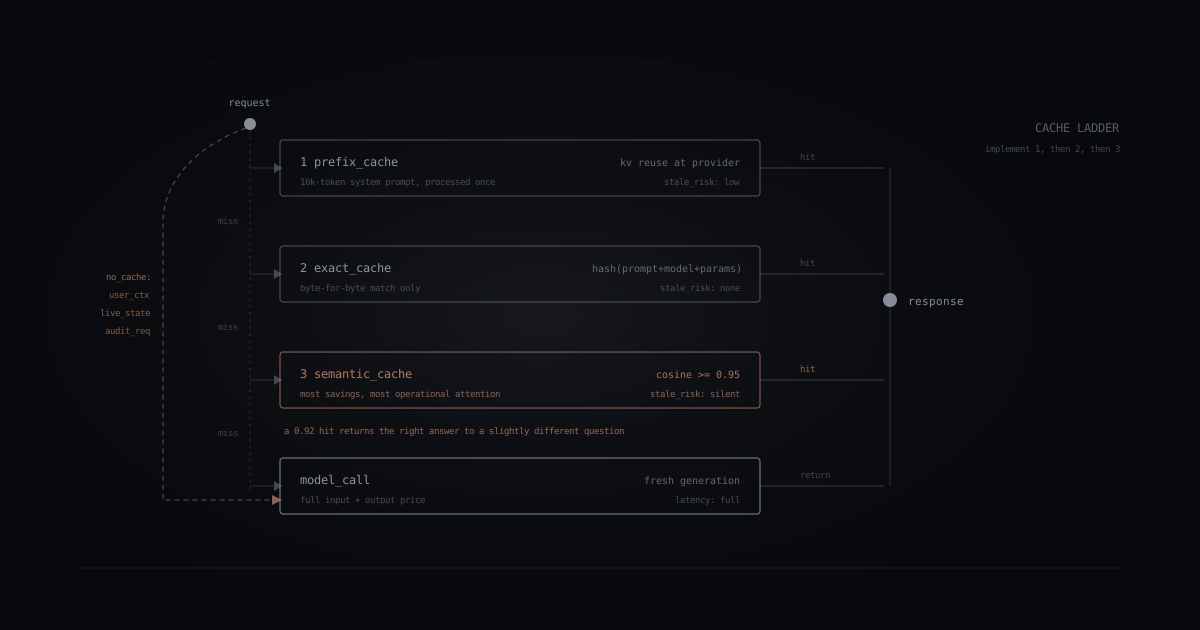
Caching strategies for LLM applications
LLM responses are expensive, slow, and often repeated. Here is how to cache them without building a system that silently returns stale answers.
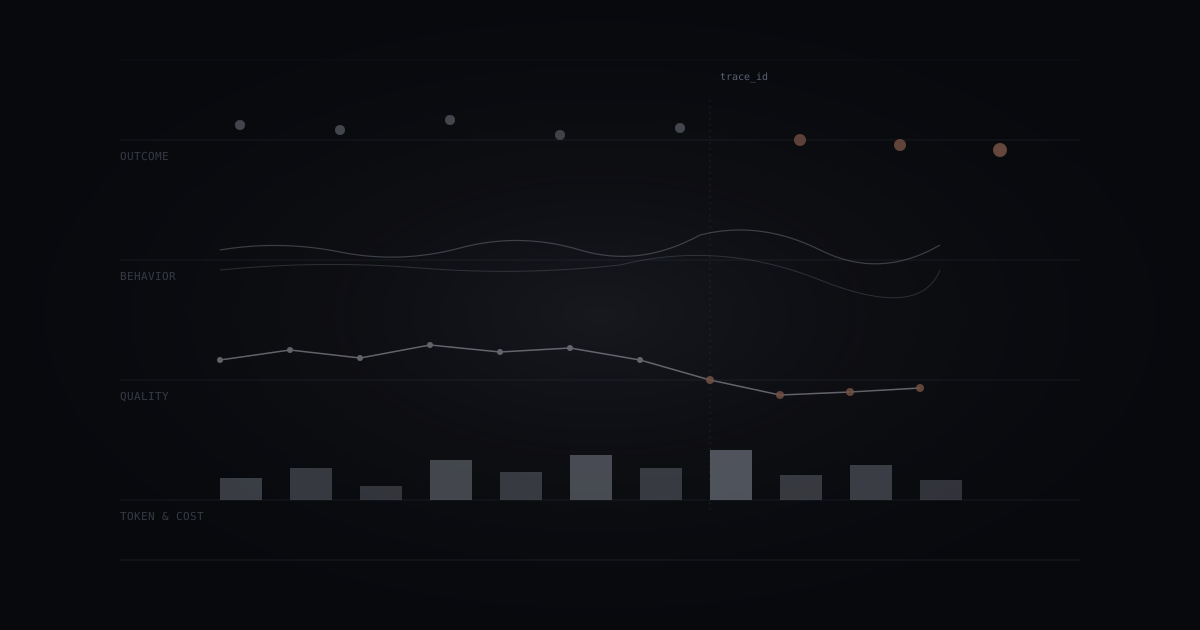
What to instrument when your AI degrades in production
Most AI systems fail silently. Latency dashboards say 200 OK while quality drifts. Here is the four-layer telemetry stack that catches it.
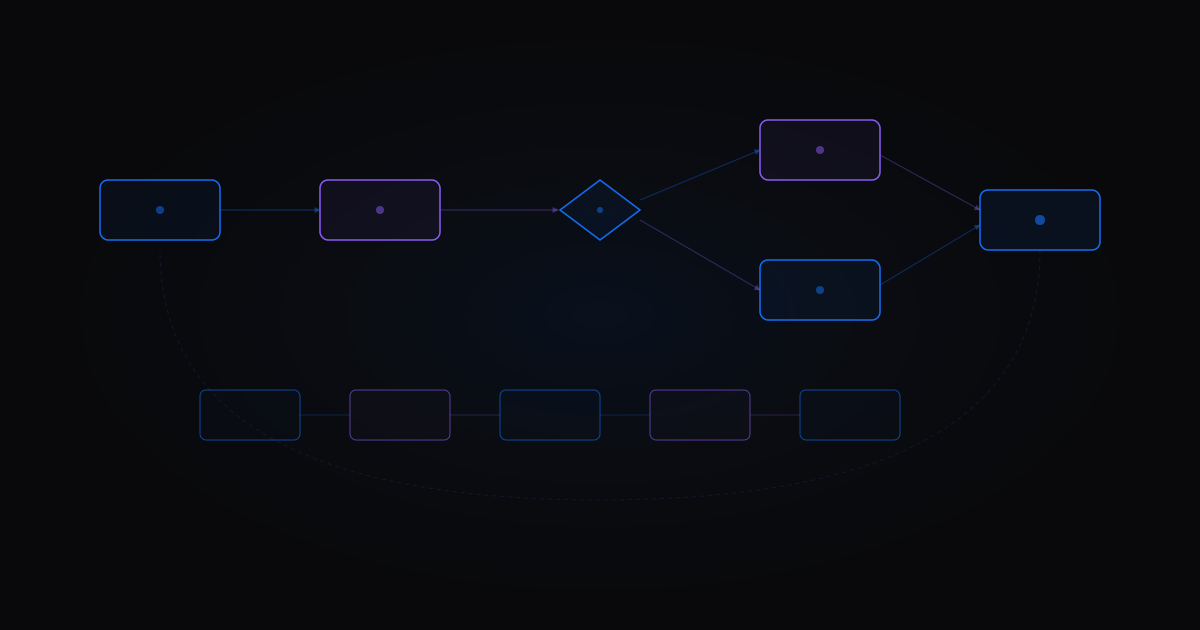
What Business Processes Can Be Automated with AI in 2026
AI automation works best on high-volume, repeatable processes. Here is a scoring framework across seven business domains to find where to start.

Why Your AI Gets More Expensive Over Time (And How to Reverse It)
Three months after launch, one company's AI bill tripled. Distillation, prompt compression, and model routing can cut inference costs 50-80%.

Beyond Demos: Building AI Systems That Actually Work
Most AI projects fail in production. Here's why the gap between demo and deployment is where real engineering begins, and what production AI actually requires.
How to Choose an AI Platform or Partner: A Practical Evaluation Guide
Most AI vendors have never shipped to production. Here are exact questions, red flags, and criteria that separate firms that build from ones that only advise.

AI Implementation Costs in 2026: What Companies Actually Spend
A weekend AI prototype cost $47. The production version cost $180,000. Here is what companies actually spend, and where they overspend.

Beyond Chatbots: Multi-Agent Architecture Patterns for Production
Single-model AI hits a ceiling fast. Four multi-agent architecture patterns we use to coordinate specialized agents in production.
The State of AI in Austin, Texas: Why the Capital City Is an AI Hub
Austin's AI talent costs 15-25% less than San Francisco, backed by UT Austin research and a business-friendly state. Local businesses benefit too.

How AI Is Reshaping Professional Services
AI beats consultants at research, analysis, and drafts. It cannot replace organizational trust, novel problem-solving, or accountability.
The AI Observability Gap: What You Can't See Is Costing You
An AI customer service system hallucinated for two weeks unnoticed. Track cost, quality, performance, and decisions, the four dimensions most teams miss.
AI for Small Business: When It Makes Sense (And When It Doesn't)
A small business owner asked if AI was worth it for his company. The answer depends on your data, your process, and your budget, not your size.
Get insights like this delivered monthly.
No spam. Unsubscribe anytime.